Monthly Archives: August 2014

Like these links, and keep the D-mojo going.

Welcome to Wednesday…

I’m going to throw a few links at you today to help you keep your diabetes mojo going strong. I promise: If you click on any of the links below, your requirements in terms of time and effort will be a scant two or three minutes apiece. Quicker if you read fast. Check them out:

You may remember me writing about a U.S. House of Representatives resolution (HR 3710—Medicare CGM Coverage Act) introduced last year. Well, now a bill to get continuous glucose monitors (CGMs) covered by Medicare is making its way through committee in the United States Senate. This one is Senate Bill 2689—Medicare CGM Access Act of 2014. Introduced by Senate Diabetes Caucus co-chairs Susan Collins (R-ME) and Jeanne Shaheen (D-NH), this bill aims to do the same thing: Protect the right of citizens on Medicare to keep their CGM. Make sure you get your senator to get behind this legislation, like, NOW. JDRF makes it easy by providing this link:
https://secure3.convio.net/jdrf3/site/Advocacy?cmd=display&page=UserAction&id=412

Just fill out the form, include your own personal sentiments (like, “I’m going to be Medicare eligible in 13 years… Don’t take away my CGM when I need it most!”). Click Send Now and you’ll have committed an act of Diabetes Advocacy before Starbucks can serve up your latte.

Got an extra minute? There’s also a petition to sign:
http://www.thepetitionsite.com/takeaction/776/978/446/

————————————————————————————

Also: The U.S. Food and Drug Administration has proposed new guidance for Medical Device Data Systems (MDDS). Borrowing from the Strip Safely website:

These are systems that, in the FDA’s words, facilitate “the electronic transfer or exchange of medical device data from a medical device, without altering the function or parameters of any connected devices.” Translation: technology that lets data show up on a device other than the medical device itself. FDA believes that these types of MDDS introduce little additional risk, and the agency is therefore proposing to lessen the regulatory process for MDDS.

Face it: We would all like to have access, and provide access for our loved ones, to the data from our devices. This is possible, it’s helpful, it’s an idea whose time has come. Agree? Now’s your opportunity to have your voice heard. How do I know they’ll listen? I was contacted by the FDA about comments I posted earlier last year on glucose meter accuracy and post-market inspection.

You only have until August 25 to submit your thoughts. Get the skinny right here:
http://www.stripsafely.com/sample-page/comment-on-mdds/

————————————————————————————

Finally… Just in case you forgot about it, don’t forget about the first Diabetes UnConference, taking place out in Las Vegas next March. Brainchild of Christel Marchand Aprigliano of ThePerfectD, it will be a conference of diabetes peers from all over, setting the agenda together in the first hour, and asking and answering questions throughout the weekend. I already have four ideas, at least one of which may have some merit. If you’d really like to attend a diabetes conference by People With Diabetes, for People With Diabetes, this might be for you. I understand rooms are filling up fast. This is really turning into a thing. Find out more about the Diabetes UnConference and register too by going to:
diabetesunconference.com

————————————————————————————

So… what about you? Have you read or written anything lately that is awesome? Oh… I just remembered: Kelley at Below Seven just published this month’s list of Best of the ‘Betes blog posts yesterday. Now… Where was I? Oh yes… If there’s something that moved you recently, please be sure to leave a link to it below. I’d love to read it!
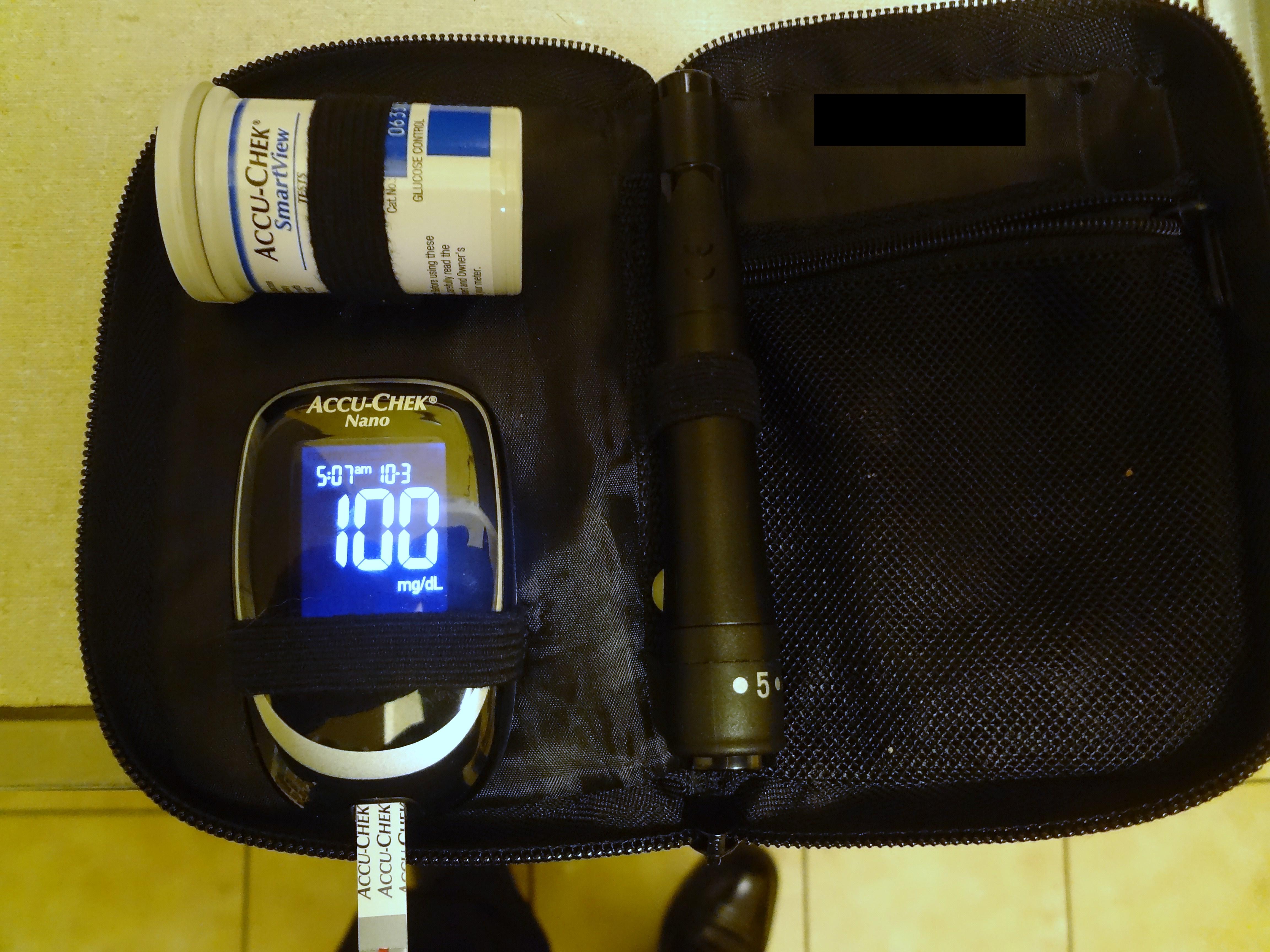


Two sides to every coin.

I wrote on Friday about my terrible low a week from yesterday. Wouldn’t you know? This past weekend, my BGs were all terrific. That’s a nice change from the past two weekends, which included a bad low (see Friday’s post) and a couple of wicked highs, punctuated by multiple glucose checks immediately followed by screams of “You have GOT to be kidding me!”.

This past weekend, of course, is how we want our lives to always be like with diabetes. Yet so often, when I have a few days in a row like this, I’m the first person to ignore it. Prick your finger, move on. For me, that means I miss an opportunity to pat myself on the back. It also means I miss the chance to go back and find out what happened.

DSC00251

What went right? Were my basals dialed in perfectly? Did I bolus like I invented the term? Got lucky is more like it, because I had pasta salad for dinner last night.

Whatever the reason (or reasons), getting a handle on what works for me is often as important as finding out what doesn’t. Here’s hoping your research is coming from an equally good place too.


Let’s talk.

I feel like this must be Hypoglycemia Week or something. I’ve already read two excellent posts on the subject this week, which I’ll link to during my post today. First, let me share a few photos with you:

DSC01663

DSC01660

DSC01658

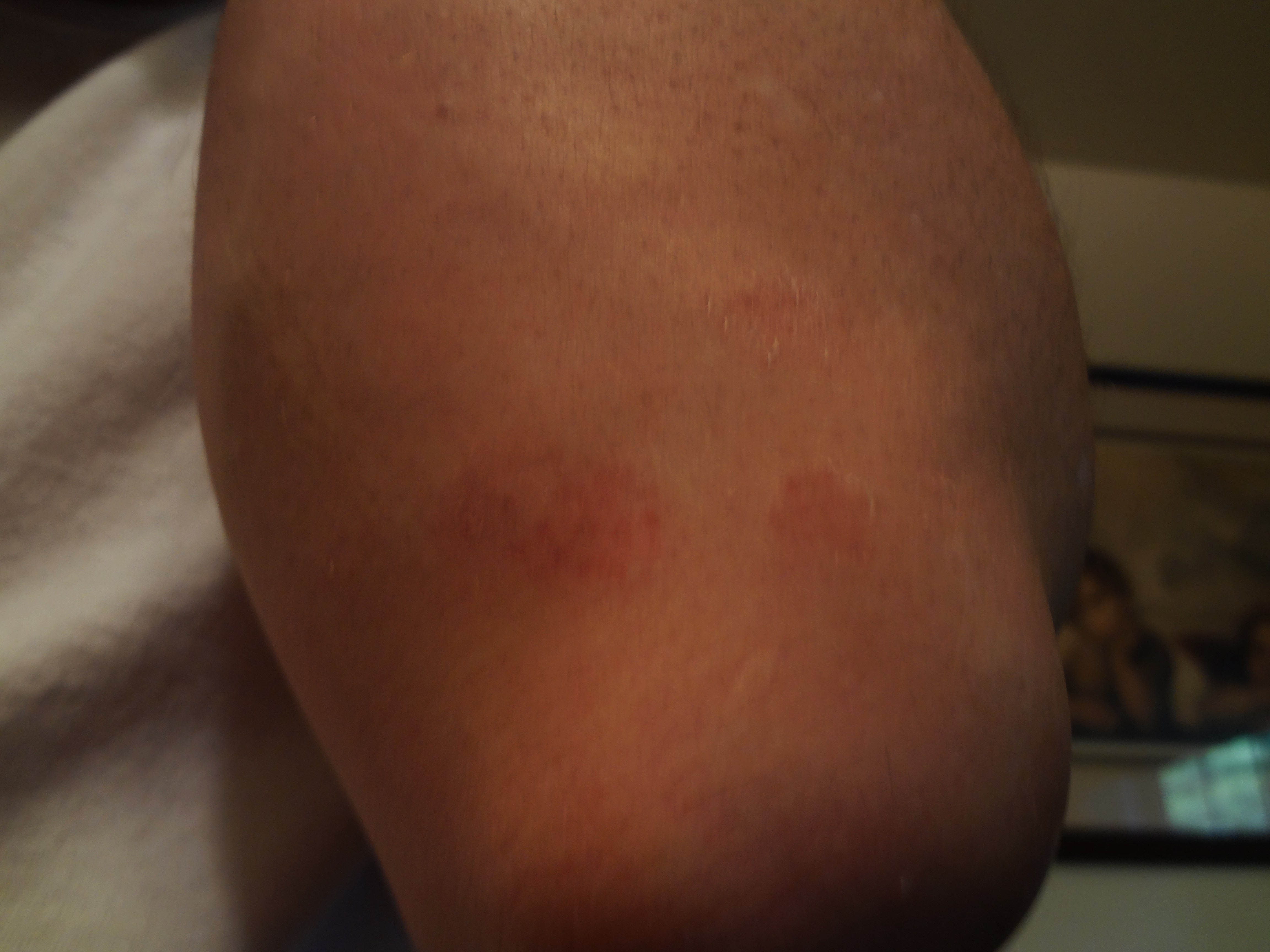
I received these scrapes and bruises (plus a couple of bruises on my head) thanks to a Sunday night low that happened around midnight. I was alone in the house, and I fell down once getting to the kitchen, and once in the kitchen. I never lost consciousness, and everything turned out okay in the end. But I had a serious fog that lasted for a while. I also spent some time after cleaning up spilled juice and a broken candy dish, so I wound up getting about 4 ½ hours sleep before heading to work on Monday.

I should mention that I believe this low was a mistake on my part, borne out of frustration for a remarkably stubborn high the previous Sunday. I didn’t want to face that again, so I over bloused. When Allison Nimlos wrote of her Sunday low, she did a great job of describing, clinically, what I think happened to me on Sunday night too.

For me, writing about this now is more of a thought process, stream of consciousness thing rather than a “Look at my bumps and bruises, feel sorry for me” thing. Scraped knees, bruised elbows, and a bruised head just serve as outward reminders of what happened. But how do I talk about it?

When I put on a pair of shorts and go outside, what do I say to my neighbors when they ask what happened to my knees? Do I come right out and say what happened? If I do, I don’t want to invoke pity. I don’t handle pity well. I don’t want to draw attention to myself that way. But I also don’t want to admit to a mistake in front of someone who doesn’t know me well and doesn’t live with diabetes day after day. Because the truth is, I can have 364 great days of diabetes management in a row, and one bad night can happen anyway. Every day is different. I don’t want someone thinking that the bad night is the norm, or something they have to worry about.

It’s weird because I want to look like I’m handling my diabetes well, but I need to be realistic and recognize that I’m not perfect. I think this is the kind of thing that people mention when they talk about wanting to be “normal”. We just want to live our lives, and not do or show anything that makes us stand out. We just want to be seen as “normal”, when really, our life is already normal. For someone living with diabetes.

So we keep it all inside, which leads to frustration and feeds the feeling of guilt over what happened. And the feeling of being alone, because we’re keeping it all to ourselves. Let’s face it: I made a mistake. I can’t make that mistake again! If I do, I’m less than perfect! No one will appreciate me or love me if I’m not perfect! If anyone knows about it, they’ll know I’m not perfect!

Then we complicate things by thinking: What does it hurt if no one really knows? If I don’t talk about it, no one will know that even though I’m doing better than ever in my constant battle with this condition, I still screw up one percent of the time (or maybe two percent). Or maybe I do everything right and my endocrine system doesn’t cooperate anyway. But as long as I don’t say anything about it, they’ll think I’m sitting at 100 mg/dL all the time. Problem solved, right?

The hard reality is that if I’m going to own my diabetes, I need to own 100 percent of it. One hundred percent of the time. That’s really difficult to admit, and even more difficult to put into action.

But if I don’t, I’m being less than honest with myself. It’s hard to keep that up for very long without imploding. And if I’m less than honest, less than forthright with my story, I miss the opportunity to share how incredibly dangerous living with diabetes every day can be. I miss the opportunity to explain why new technology, new drugs, and new therapies are crucial to saving lives, and in our country, saving money.

Understand me: It is really difficult for me to share a story like Sunday night’s outside of a forum like this one. But… It is very, very important for me to do so. People need to know how serious diabetes is on an everyday basis, and the damage that it does. I think many don’t know, or they forget. Not everyone is going to give us a pass for one slip-up. But if we’re honest with ourselves and others around us, the truth is that some people will. I also know this: Every generation that doesn’t bring their diabetes out in the open means another generation goes by thinking everything is just fine with us. And not understanding when it isn’t.

—————————————————————————————————

I’m doing the best I can. But every day is different with diabetes, and so every day the potential exists for me to kill myself with too much or too little insulin. Sometimes that happens because we can’t get the supplies we need to test our blood sugar as often as needed. Sometimes that happens because people are over 65 and Medicare won’t approve a CGM. Sometimes that happens because my body used insulin a lot better today than it did yesterday, and different from the way it will use it tomorrow.

And sometimes, it’s because I made a once in a year (or five years, or ten years) mistake.

I’m not perfect. Diabetes is unpredictable.

Smarter, more accurate technology will help minimize those errors and keep me out of the emergency room. Better coverage for CGMs will help seniors live longer, more meaningful lives. Better drugs and delivery systems will help me live a more normal life. More diabetes research will help today’s children achieve more than anyone can imagine. And why not? Why shouldn’t they?

I know… life is tough, and we all have our problems. Why shouldn’t we all have the same opportunities? My pancreas has failed. I am not a failure.